In today’s competitive market, managing customer relationships efficiently is critical for business success. This is where CRM (Customer Relationship Management) software becomes essential. Small businesses, in particular, benefit from CRM tools that help track leads, automate tasks, and improve customer engagement.
What is CRM Software?
CRM software is a tool that helps businesses manage interactions with current and potential customers. It stores customer data, tracks communication, and automates workflows to improve efficiency.
Why Small Businesses Need CRM
Small businesses often struggle with limited resources. CRM software helps by:
- Organizing customer data in one place
- Improving sales tracking
- Automating repetitive tasks
- Enhancing customer support
- Increasing conversion rates
Top CRM Software in 2026
1. HubSpot CRM
- Free plan available
- Easy-to-use interface
- Marketing + sales integration
2. Zoho CRM
- Affordable pricing
- AI-powered insights
- Customizable features
3. Salesforce
- Advanced automation
- Scalable for growing businesses
- Industry-leading platform
4. Freshsales
- Built-in phone & email
- AI lead scoring
- Simple dashboard
Key Features to Look For
When choosing CRM software, consider:
- Contact management
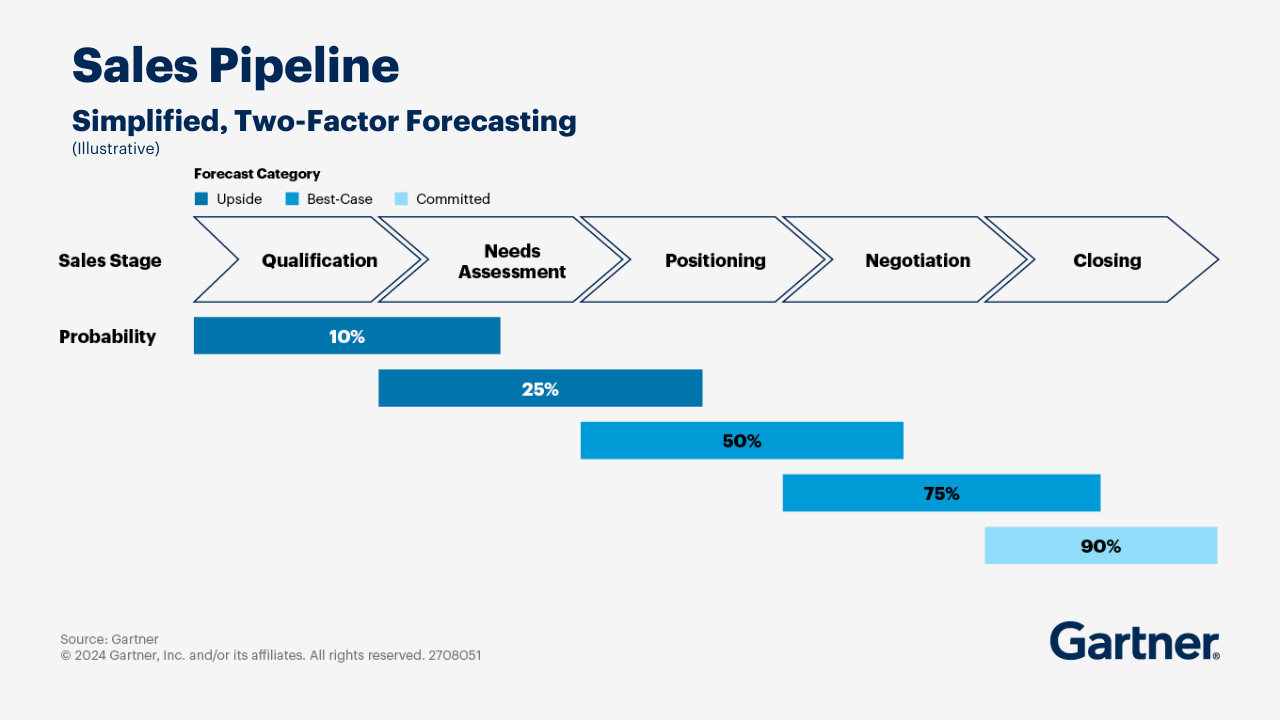
- Sales pipeline tracking
- Automation tools
- Reporting & analytics
- Integration with other tools
Benefits of Using CRM
- Improved customer retention
- Better sales forecasting
- Increased productivity
- Data-driven decision making
How to Choose the Right CRM
- Define your business needs
- Compare pricing plans
- Check scalability
- Read user reviews
Conclusion
CRM software is no longer optional—it’s a necessity. Choosing the right CRM can transform your small business by improving efficiency, sales, and customer satisfaction.